
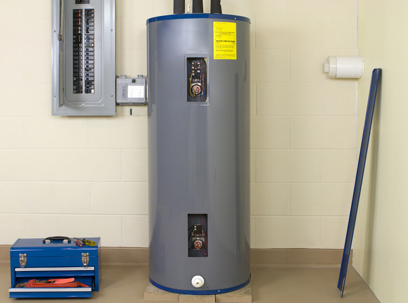
Your water heater is one of the hardest-working appliances in your home, providing hot water for showers, laundry, dishes, and everyday comfort. Most homeowners rarely think about it until they wake up to a cold shower or discover a leak in the garage, utility room, or attic.
Understanding water heater costs, the most common reasons water heaters fail, and the value of routine maintenance can help you avoid unexpected breakdowns and costly emergency replacements.
How Much Does a Water Heater Cost?
The cost of replacing a water heater depends on several factors, including the type of system, capacity, energy source, and installation requirements.
Traditional Tank Water Heaters
Conventional tank-style water heaters are typically the most affordable option. Depending on the size, efficiency rating, and installation complexity, most homeowners can expect to invest between $1,800 and $3,500 for a professionally installed unit.
Tankless Water Heaters
Tankless water heaters require a larger upfront investment but offer increased energy efficiency and an endless supply of hot water. Professional installation generally ranges from $4,000 to $6,000 or more, depending on the home's plumbing, gas, or electrical requirements.
Factors That Affect Water Heater Pricing
Several variables can influence the total cost of installation:
- Water heater size and capacity
- Gas versus electric models
- Energy efficiency ratings
- Local permits and code requirements
- Venting modifications
- Expansion tanks and safety devices
- Accessibility of the installation area
While cost is an important consideration, choosing the right water heater for your household's hot water demands can save money, improve efficiency, and provide greater long-term reliability.
Why Do Water Heaters Fail?
Like any mechanical system, water heaters wear out over time. Most traditional tank water heaters last 8 to 12 years, while properly maintained tankless systems can often provide 15 to 20 years of service.
Some of the most common causes of water heater failure include:
Sediment Buildup
Minerals from hard water gradually settle at the bottom of the tank. Over time, this sediment creates a barrier between the heating source and the water, forcing the system to work harder and reducing efficiency. Excessive buildup can also lead to overheating and premature tank failure.
Corrosion
Water heaters contain a sacrificial anode rod that attracts corrosive minerals and helps protect the tank. Once the anode rod becomes depleted, corrosion can begin attacking the tank itself, eventually leading to leaks that typically require replacement.
Heating Element or Burner Failure
Electric water heaters rely on heating elements, while gas models use burners and ignition systems. As these components age, they can fail and cause inconsistent hot water, reduced performance, or complete loss of heating.
Excessive Water Pressure
High water pressure and thermal expansion place additional stress on the water heater and plumbing system. Over time, this added pressure can contribute to leaks, damaged components, and shortened equipment life.
Lack of Routine Maintenance
Many water heater problems develop gradually and can be detected during regular inspections. Skipping maintenance often reduces efficiency, shortens equipment life, and increases the likelihood of an unexpected breakdown.
When Should You Schedule Water Heater Service?
Routine maintenance is one of the most cost-effective ways to extend the life of your water heater, improve efficiency, and reduce the risk of unexpected repairs.
Annual Maintenance
We recommend having your water heater professionally inspected once per year. During a maintenance visit, a plumber can:
- Inspect for leaks and signs of wear
- Check safety devices and pressure controls
- Evaluate heating performance
- Inspect the anode rod when applicable
- Flush sediment buildup from the system
- Identify potential issues before they become major problems
Homes with Hard Water
If your home has hard water, mineral buildup can occur more quickly. More frequent flushing and maintenance may be recommended to help preserve efficiency and prevent premature failure.
Warning Signs You Shouldn't Ignore
Schedule service if you notice any of the following:
- Rust-colored hot water
- Strange noises coming from the tank
- Reduced hot water availability
- Water temperature fluctuations
- Visible leaks or moisture around the unit
- Higher-than-normal utility bills
- Water taking longer to heat
Addressing these warning signs early can often prevent a more expensive repair—or even a complete system replacement.
Is Water Heater Maintenance Worth It?
For most homeowners, the answer is yes.
Routine maintenance costs significantly less than an emergency replacement and can provide several important benefits:
- Improved energy efficiency
- Extended equipment lifespan
- Reduced repair costs
- More reliable hot water
- Early detection of potential safety concerns
- Lower risk of unexpected breakdowns
If you want to maximize the life of your water heater and protect your investment, annual maintenance is one of the smartest preventative measures you can take.
Need Help with Your Water Heater?
Whether you need routine maintenance, repairs, or a complete water heater replacement, our experienced plumbing team is here to help. We'll inspect your system, explain your options, and provide honest recommendations based on your home's needs, usage, and budget.
If you're noticing signs of water heater trouble or simply want the confidence that your system is operating safely and efficiently, contact Midtown Plumbing today to schedule service. Serving Raleigh and surrounding areas since 2013.